
Independent financial desk
The companies and stories moving markets. Explained in full.
The world of finance, from companies to the days that changed everything. Long-form analysis, sources declared, no advice on what to buy.
Manifesto
We don't tell you what to buy. We just explain the mechanism.
Bellwether gives no recommendations and has no portfolio to defend. We take a company or an event and pull it apart until we understand where the money comes from, who controls it, and what has to happen for the story to continue.
Companies
Companies taken apart piece by piece
Who founded them, how they make money and what could go wrong.

AppLovin: the worst stock in the S&P 500 is making more profit than ever
From a sale to a Chinese fund blocked by Washington to the AXON engine: how AppLovin became a profit machine, and why in 2026 it was the worst stock in the S&P 500.
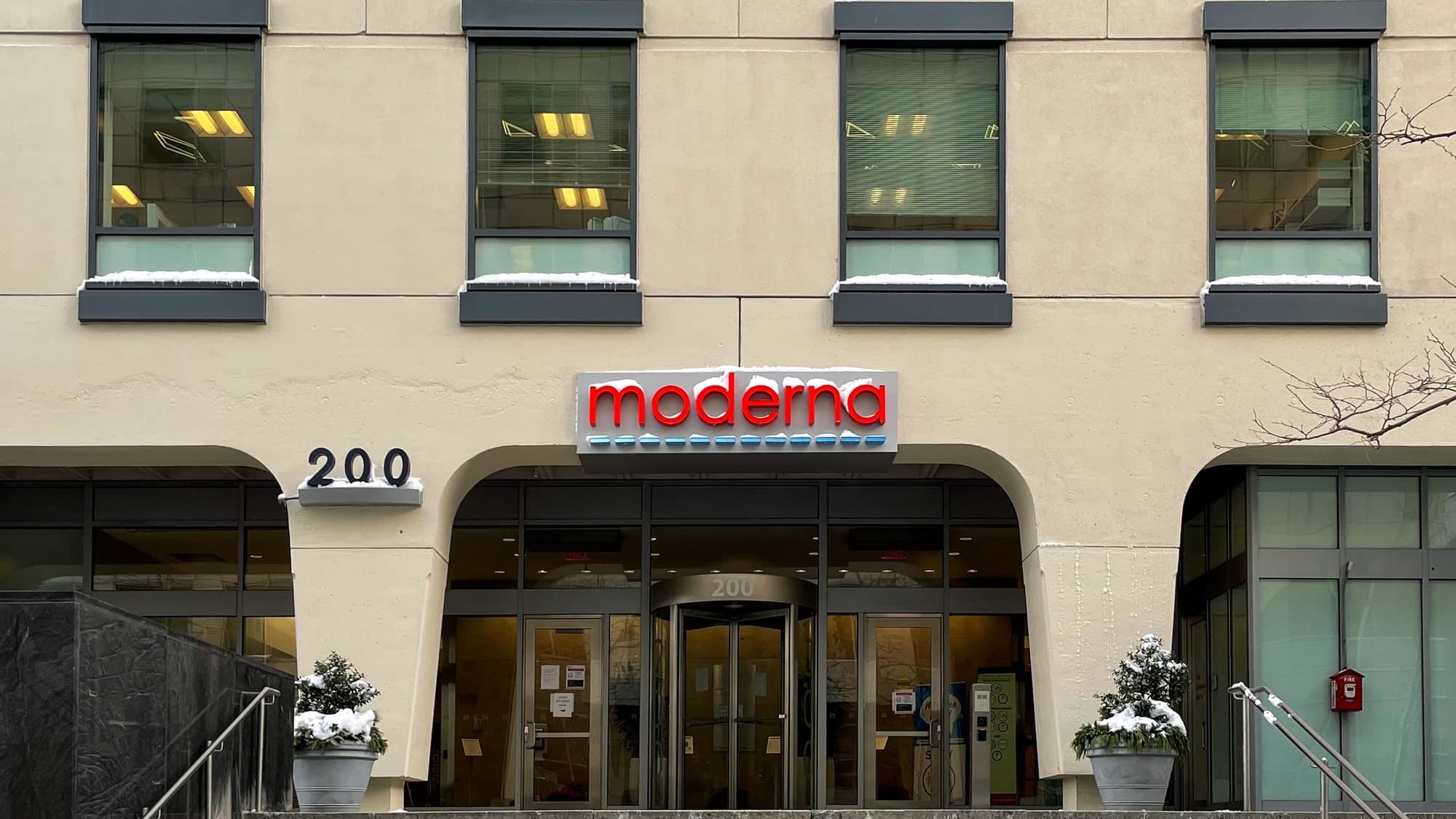
Moderna: from the Covid vaccine to a cancer vaccine
From a Harvard researcher's patent to the Covid vaccine, and now a drug that teaches the body to recognise a tumour: how Moderna came back from the dead twice, and how much of it is already in the price.

Bending Spoons: the Italian company Berkshire Hathaway is betting on
A failed startup, $40,000 left in the bank and a method for buying apps and services that others built: how Bending Spoons reached the Nasdaq, with Berkshire Hathaway among its shareholders.
Stories
The moments that changed the rules
The moments that rewrote the rules of global finance, told in full.

Thirteen billion to save a continent: the bill for the Marshall Plan
The United States spent about 13.3 billion dollars on 17 countries, mostly in grants, and not a single dollar crossed the Atlantic. How the Marshall Plan really worked, and why its conditions mattered more than its size.
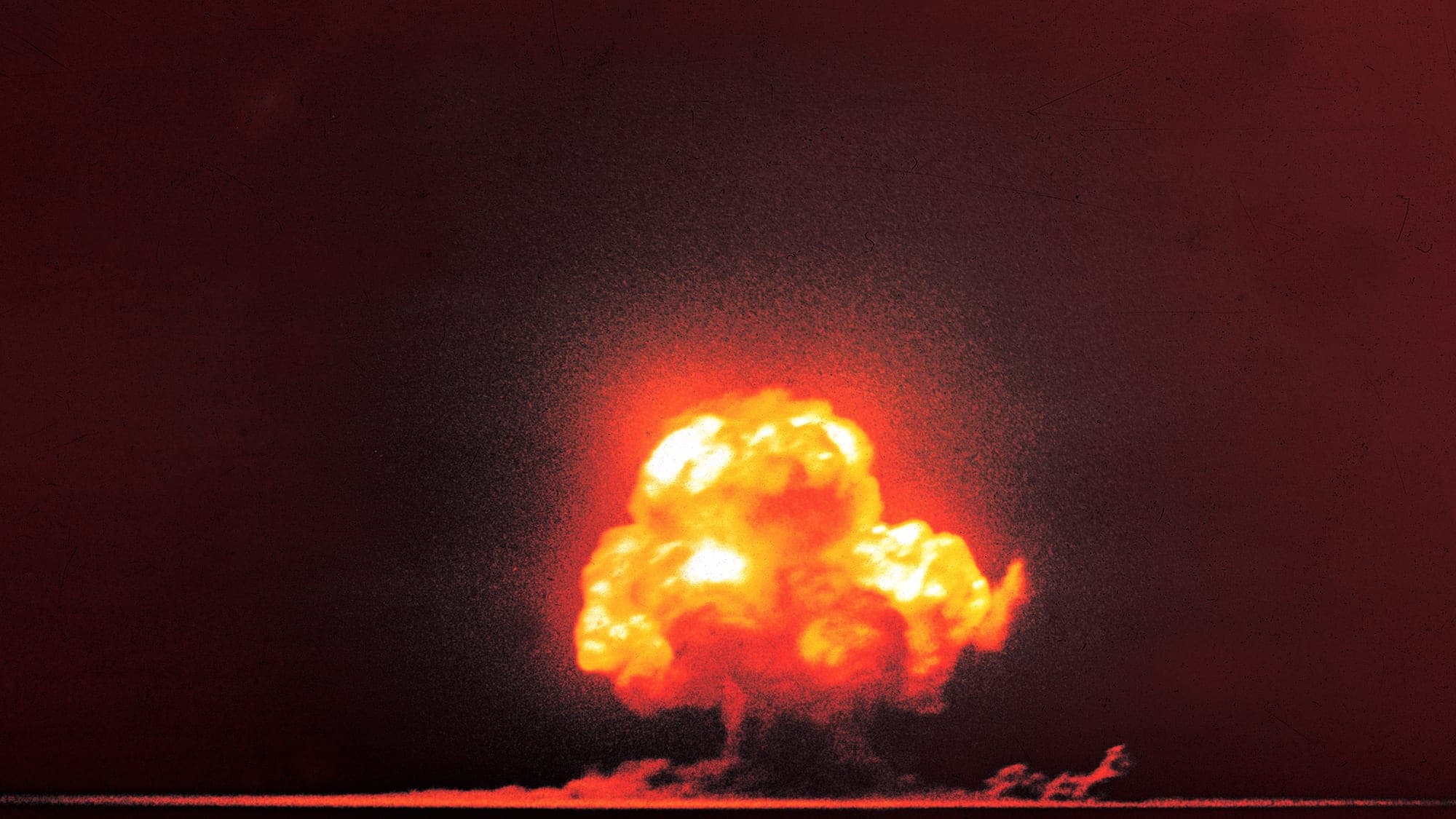
Oppenheimer and the price of the bomb
In 1945 the bomb cost almost two billion dollars, and Oppenheimer's laboratory spent barely 4% of it. Today nuclear weapons are an expense that never closes.
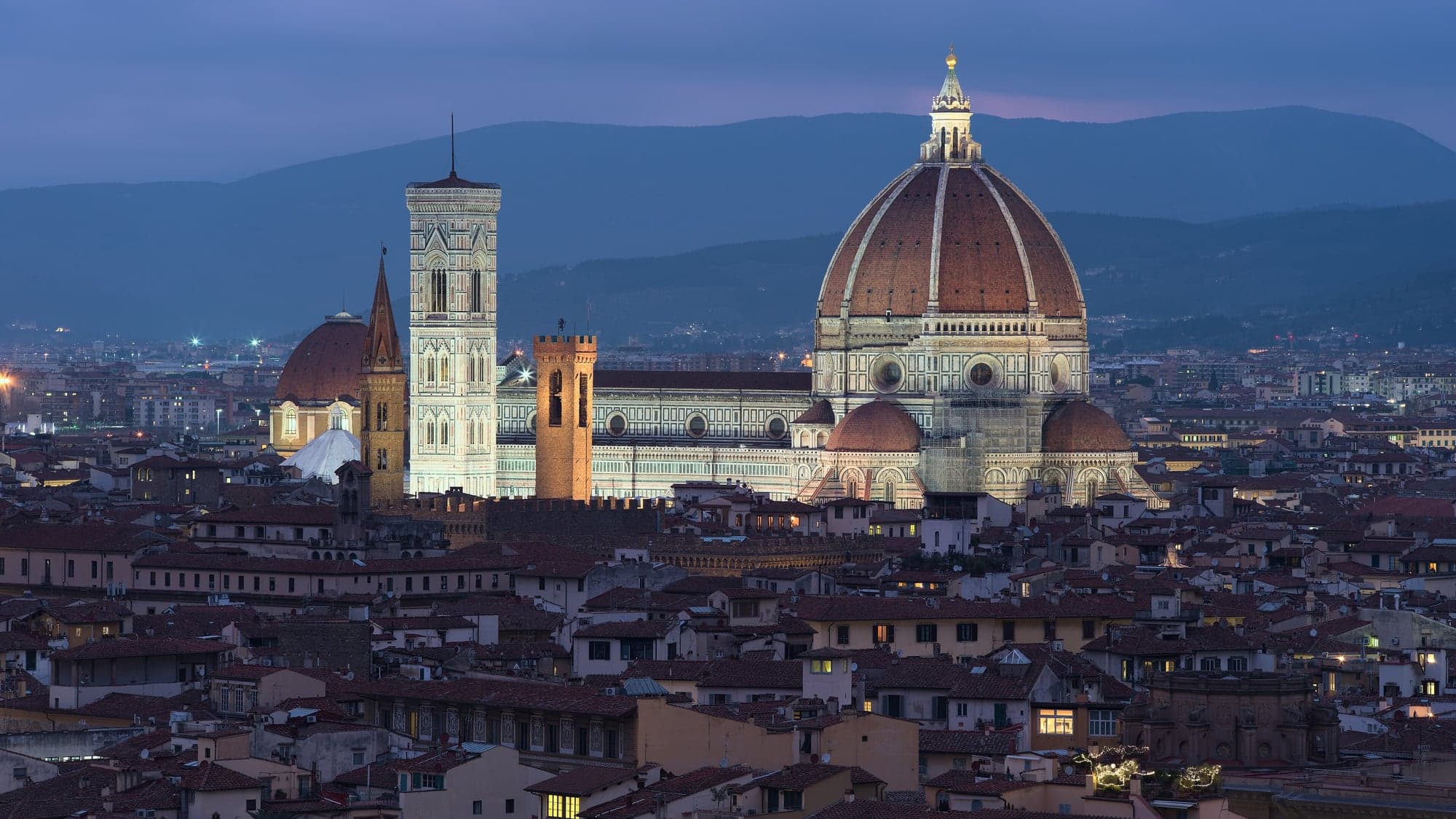
The Medici Bank, the most powerful bank in Europe
It financed popes, kings and the Renaissance working with other people's money. When the controls slackened and its most powerful clients stopped paying, it was all over within thirty years.